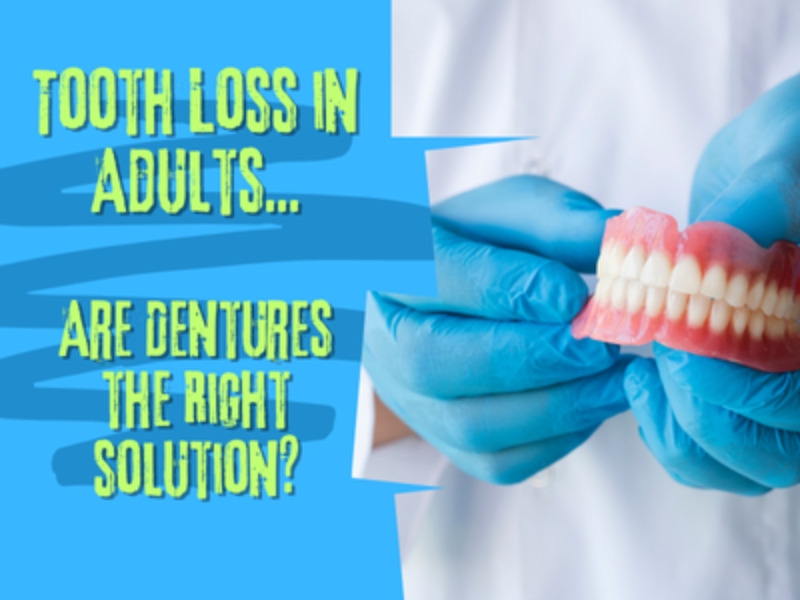

Tooth loss in adults is a common health issue that often goes unnoticed, and it’s something that deserves our compassion and attention. Many people mistakenly believe that only older adults face this challenge, but the reality is that individuals of all ages can experience tooth loss due to a variety of factors like gum disease, physical trauma, or chronic illnesses. If you are facing this situation—whether you've recently lost a tooth or are considering a dental procedure—please know that you are not alone, and there are numerous options available to help you.
According to the American College of Prosthodontists, more than 40 million Americans have lost all their teeth, and over 178 million are missing at least one tooth. While complete tooth loss tends to be more common among older adults or those in specific risk groups, it’s important to recognize that this issue can impact many aspects of life, including speech, nutrition, self-esteem, and even how we perceive our facial appearance. Additionally, research shows a correlation between lower income levels and a higher incidence of complete tooth loss among older populations, highlighting the need for awareness and support.
In this MADC Blog, we will take a closer look at adult tooth loss, exploring its primary causes, early warning signs, and the reasons why dentures can serve as a practical and reliable treatment alternative. Understanding dental health is essential for navigating this issue, as it significantly influences not just prevention, but also your overall well-being. Whether you're reading this for yourself or a loved one, this guide aims to provide you with valuable insights into your options and the steps you can take moving forward.
The Importance of Oral Health
Your oral health is a vital aspect of your overall wellness, impacting everything from your diet to your self-confidence. It's important to prioritize good oral hygiene through daily brushing, flossing, and regular check-ups to maintain your teeth and prevent common problems like tooth decay and gum disease. These conditions can lead to significant tooth loss if neglected, and we want to help you avoid that.
Fortunately, keeping your natural teeth throughout your life is increasingly attainable with proper care and support! By committing to regular dental visits and cultivating healthy habits, you can significantly reduce your risk of issues like decay and gum disease. Embracing a proactive approach not only benefits your oral health but can greatly enhance your overall quality of life.
Understanding the Causes of Tooth Loss
Tooth loss often doesn’t occur overnight; it tends to happen gradually due to various factors. By being aware of these causes, you can feel empowered to take preventive measures and seek appropriate treatment.
1. Gum Disease/Periodontal Disease
Periodontal disease is the leading cause of tooth loss in adults, impacting the gums and the bone structures supporting your teeth. Bacteria in plaque can cause inflammation in your gums, potentially leading to bone deterioration. As this progresses, teeth may become loose and require removal. It’s also important to recognize that certain health conditions, like diabetes, can elevate the risk of developing gum disease, making regular dental care even more crucial. Many individuals are unaware that advanced periodontal disease can progress without noticeable symptoms, which is why routine dental examinations are key for early detection and intervention.
2. Cavities and Tooth Decay
Untreated cavities are another significant contributor to tooth loss. They often start as small holes in the enamel caused by bacteria producing acid. The Centers for Disease Control and Prevention highlight ongoing concerns regarding tooth decay among adults. Ignoring these issues can lead to more serious problems, including infections and severe decay that may compromise the integrity of a tooth beyond repair. Moreover, older adults may experience challenges such as root decay when gum recession exposes tooth roots. Those who deal with dry mouth—often a side effect of medications—should be particularly attentive, as it can hinder the mouth's ability to naturally wash away food particles and neutralize harmful acids.
3. Accidents and Trauma
Experiencing an injury that causes a tooth to be knocked loose or even out of its socket can be quite distressing. Accidents, whether from falls, sports, or auto incidents, can lead to unexpected dental trauma, especially during contact sports where hits to the jaw are common.
If you find yourself with a lost tooth, it's important to remain calm and take immediate action and reach out to your dentist as soon as possible to address the situation. Prompt dental care can make all the difference in saving the tooth and avoiding complications like infection or the shifting of surrounding teeth. With timely intervention, it’s often possible to save a tooth, but if the bone or root has been damaged, there may be a need for treatment options like implants or dentures.
4. Poor Oral Hygiene
We all know that brushing and flossing are essential, but life can sometimes get in the way, leading to neglect. Unfortunately, poor oral hygiene can lead to serious consequences, including plaque buildup, gum disease, and decay that could ultimately result in losing a tooth. Many people might not realize there’s an issue until it’s quite advanced.
In addition to your daily care at home, regular visits to the dentist are vital for maintaining your oral health and preventing tooth loss. Your dentist can help you catch any potential problems early, allowing for effective solutions.
5. Long-Term Medical Conditions
Certain medical conditions can significantly impact your oral health and make you more vulnerable to issues like tooth loss. For instance, diabetes can weaken the body’s defenses against infections, making gum disease more aggressive. Osteoporosis, which decreases bone density, can also increase the risk of loose or shifting teeth.
Moreover, autoimmune diseases and cancer treatments can compromise your immune response, affecting the integrity of your bone and gum tissues. It’s really crucial to manage these chronic conditions effectively. By doing so and seeking early treatment, you stand a better chance of preserving your oral health and preventing further complications.
Risk Factors
It’s important to understand that the risk of tooth loss can vary from person to person, and certain factors may make some individuals more vulnerable. For example, those over 40 who have untreated dental issues are at a higher risk for advanced gum disease. Smoking and using tobacco can also hinder healing and exacerbate inflammation in the gums, making it essential to prioritize your oral health.
Genetics can play a role too, as a family history of gum disease may indicate a predisposition to tissue and bone deterioration. Lastly, neglecting regular dental check-ups allows small problems to grow larger over time. Losing multiple teeth can significantly heighten the risk of complications, including shifting adjacent teeth and bone loss, underscoring the importance of preserving our natural teeth.
Signs of Progressive Tooth Loss
Being aware of early warning signs is key to preventing tooth loss. It’s helpful to pay attention to any noticeable changes, such as persistent gum inflammation, redness, or bleeding during brushing. Other signs include loose teeth, unexpected shifts, or changes in how your teeth fit together, as well as chronic bad breath or an unpleasant taste.
If you observe receding gums or noticeably longer teeth, experience pain when biting or chewing, or notice changes in your facial appearance, it’s important to seek help. Staying alert to these signs can empower you to take action and address issues before they escalate.
Impact of Tooth Loss
The effects of losing a tooth can reach far beyond just physical; they can impact various aspects of everyday life. Missing teeth may make it challenging to chew, leading to dietary restrictions and possible nutritional deficiencies. Additionally, changes in your smile can understandably affect your self-esteem and confidence. If left untreated, the risk of further tooth loss and bone deterioration may increase, complicating future treatment options and potentially altering your facial structure.
The leading causes of tooth loss—like decay, gum disease, and trauma—are often preventable through good oral hygiene and regular dental care. Early intervention is truly essential; reaching out to get dental help right after losing or damaging a tooth can help mitigate complications and preserve your oral health. Thankfully, there are numerous treatment options available today for replacing missing teeth, including durable, natural-looking dental implants that can restore both function and appearance.
Preventing tooth loss really starts with consistent oral hygiene practices and scheduling routine dentist visits. By addressing any issues as they arise and committing to maintaining healthy teeth and gums, you can take proactive steps to protect your oral health and more importantly, your teeth.
How Dentures Aid in the Recovery from Tooth Loss
Losing teeth can initially feel overwhelming, but it also opens the door to regaining control over your appearance and oral health. Dentures are a powerful solution for individuals facing significant tooth loss, especially when the loss is complete due to decay, chronic health issues, or age-related changes. They stand as one of the most widely embraced and affordable ways to reclaim your smile.
- Complete Dentures: Full dentures serve as a beacon of hope when all natural teeth are lost. They rest gently on the gums, offering a custom fit that enhances speech, improves chewing ability, and elevates your overall appearance.
- Partial Dentures: Perfect for those with some natural teeth still intact, partial dentures fill the gaps while preserving healthy teeth. With flexible clasps or metal attachments, they seamlessly blend into your smile.
- Dentures Supported by Implants: These dentures, securely anchored to titanium implants inserted into the jawbone, provide enhanced stability. They empower you to speak clearly and enjoy your meals confidently, offering a natural feel that enhances your life.
Principal Advantages of Dentures
- Better Nutrition and Chewing: With dentures, you can enjoy a wider variety of foods, particularly nutritious options that might have been difficult to eat before.
- Improved Facial Appearance: Dentures restore volume and structure, preventing the sagging look often caused by tooth loss, allowing you to embrace a youthful appearance.
- Improved Speech: By supporting the lips and tongue, dentures help reclaim your voice, boosting your confidence in communication.
- Increased Confidence: Replacing lost teeth can profoundly impact your self-esteem, making social interactions and everyday life feel more fulfilling.
- Affordability: Dentures represent a cost-effective choice, particularly for seniors or those without extensive insurance coverage.
- Ease of Care: Removable dentures offer simplicity in cleaning and maintenance, allowing you to take great care of your smile with ease.
Alternatives to Dentures
While implants serve as a fixed solution that replicates natural teeth and helps maintain jawbone structure, they require adequate bone density and involve surgical procedures. In contrast, contemporary dentures deliver exceptional function and appearance without the stress or cost of invasive treatments.
Bridges vs. Dentures
Dental bridges can hinge on the health of neighboring teeth, which might need adjustments. Dentures, however, stand as a practical choice for extensive tooth loss, providing versatility regardless of the condition of adjacent teeth.
Is Denture Treatment Right for You
Consider dentures if you identify with one or more of these scenarios:
- Several or all teeth are missing from one or both arches.
- You seek a cost-effective, non-surgical route to tooth replacement.
- You’ve experienced jawbone loss, making implants less viable.
- You desire a dependable way to regain the ability to speak, chew, and maintain facial harmony.
- Your health is relatively stable, and you can manage the care of your dentures.
Expectations for Denture Care
The journey to obtaining dentures is typically straightforward and can be completed within weeks:
- First Consultation and Evaluation: Your dentist will examine your medical history and oral health to tailor the best denture option for you.
- Bite Registration and Impressions: Your gums and any remaining teeth will be molded for a precise fit, taking into account bite alignment and facial proportions.
- Fabrication of Dentures: Using high-quality materials, your custom dentures will be carefully crafted, with potential trial fittings to guarantee comfort.
- Adjustment Period: Expect a brief adjustment phase, where follow-up appointments may refine fit and comfort.
- Maintenance and Longevity: With diligent care, dentures can last five to ten years or even longer. Regular maintenance, including overnight soaking and daily cleaning, enables you to sustain your revitalized smile.
While tooth loss is common, it need not define your future. Modern dentures present innovative solutions that restore not just function and appearance, but also your self-esteem and quality of life. At Dental Centers located at Mid-America Dental and Hearing Center, we truly believe that a new smile is so much more than just a visual change—it’s a wonderful journey towards better oral health and a boost in confidence!
Our team is committed to making your experience as enjoyable as possible, ensuring you leave with a beaming smile—often in just one visit, sometimes even on the same day!
Why wait to start your journey towards that radiant, healthier smile? Give us a call today so we can help achieve the smile you’ve always wanted.