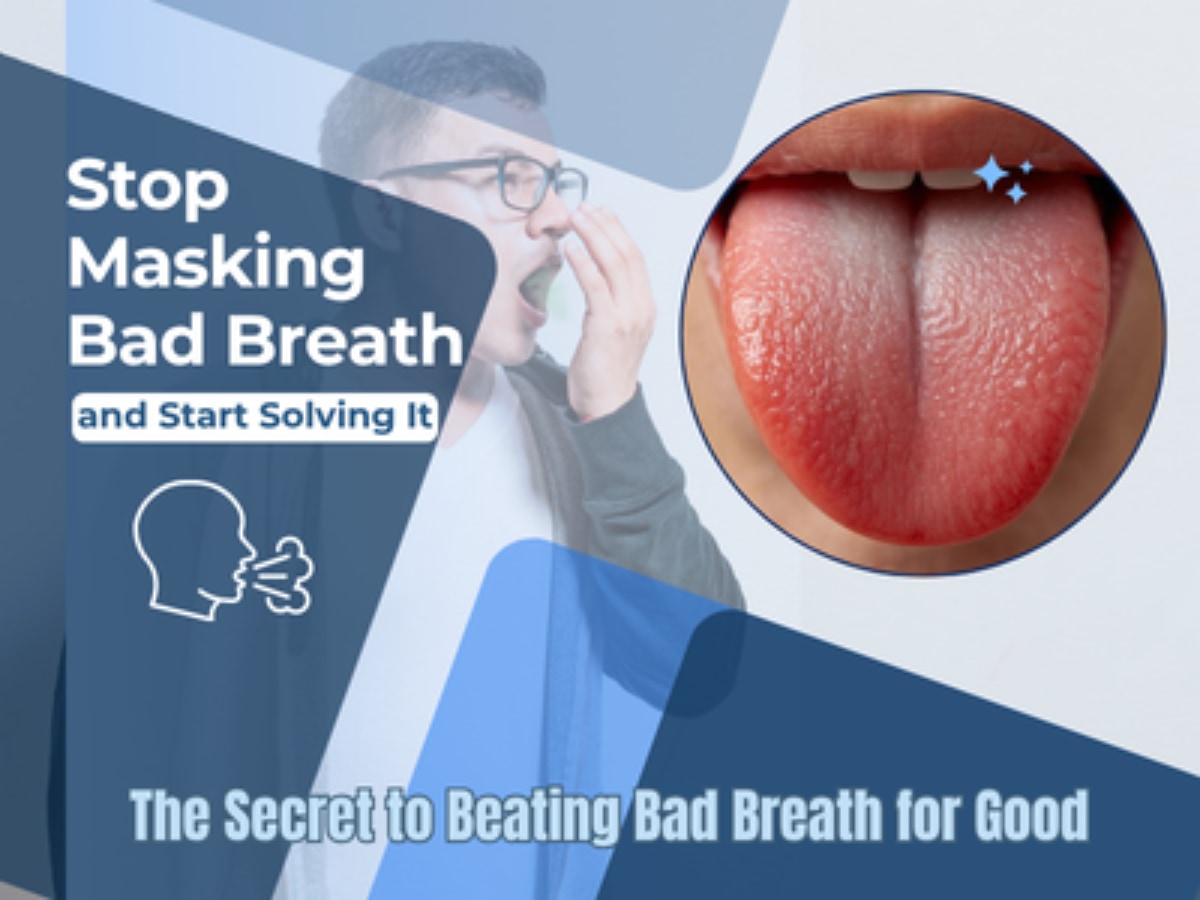

Nobody likes worrying about bad breath. Whether it's morning breath, lingering odors after meals, or a persistent problem that won't seem to go away, bad breath can affect your confidence and make everyday interactions uncomfortable.
The good news? In most cases, freshening your breath is easier than you think. A few simple habits can make a big difference.
1. Brush and Floss Like It Matters
Your toothbrush does more than keep your teeth looking clean—it helps remove the bacteria and food particles that cause bad breath in the first place.
Brush at least twice a day and floss daily. Flossing is especially important because it removes trapped food and plaque from between your teeth, where your toothbrush can't reach. When bacteria feed on those leftovers, unpleasant odors are often the result.
2. Don't Forget Your Tongue
Your tongue can be a hidden hotspot for odor-causing bacteria.
Each time you brush, gently clean your tongue or use a tongue scraper. It's a quick step that can leave your mouth feeling noticeably fresher and cleaner.
3. Drink More Water
A dry mouth is often a smelly mouth.
Saliva naturally helps wash away bacteria and food debris. When you're dehydrated, bacteria have a chance to multiply and create unpleasant odors. Drinking plenty of water throughout the day helps keep your mouth clean and your breath fresher.
4. Choose the Right Mouthwash
Not all mouthwashes are created equal.
Some simply cover up odors for a short time, while others help reduce the bacteria responsible for bad breath. Ask your dentist which rinse is best for your needs, especially if you struggle with chronic bad breath or dry mouth.
5. Watch What You're Eating
Garlic, onions, coffee, and sugary foods are common culprits when it comes to bad breath.
Adding crunchy fruits and vegetables to your diet can help naturally clean your teeth while stimulating saliva production. Limiting tobacco products and excessive alcohol can also help keep your breath fresher.
6. See Your Dentist Regularly
If bad breath keeps coming back despite good oral hygiene, it may be a sign of something more than what a toothbrush can fix.
Gum disease, tooth decay, infections, and other dental issues can all contribute to persistent bad breath. Regular dental checkups and professional cleanings can help identify and address these problems before they become more serious.
The Bottom Line
Fresh breath isn't just about mints and mouthwash—it's often a reflection of your overall oral health. By brushing and flossing consistently, staying hydrated, and keeping up with regular dental visits, you can enjoy fresher breath, a healthier smile, and greater confidence every day.
If bad breath continues despite your best efforts, don't simply cover it up. Persistent bad breath can sometimes be a sign of gum disease, tooth decay, infection, or other oral health concerns that deserve professional attention.
At Mid-America Dental & Hearing Center, we're here to help you get to the root of the problem—not just mask the symptoms. Our experienced team provides comprehensive dental care in a friendly, judgment-free environment, helping patients throughout the Ozarks achieve healthier mouths and more confident smiles.
If you're concerned about bad breath or it's been a while since your last dental checkup, give us a call. A healthier smile—and fresher breath—may be just one appointment away.